
Waste sorting is not an insignificant gesture.
It is a daily act that has a direct impact on our environment, health and quality of life.
In a context where our cities produce more and more waste, learn — and above all transmit — Basic gestures become a collective responsibility.
🌱 The essential actions of sorting
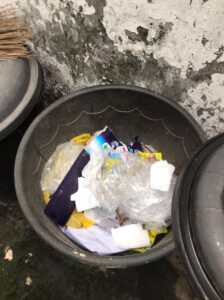
Sorting begins with simple actions:
- Separate organic waste (food residue, peeling)
- Excluding recyclable plastics, paper and paperboard
- Isolate glass and metals
- Avoid mixing recyclable waste and household waste
- Reduce to source by focusing on reusable
These actions, repeated daily, reduce the amount of waste sent to landfill and promote recovery (recycling, composting).
🌍 What are the concrete impacts?
Adopting waste sorting allows:
✅ Reducing soil and water pollution
✅ Limiting emissions from landfill and combustion
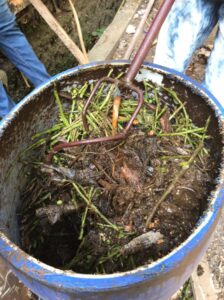
✅ To produce compost useful for agriculture and gardens
✅ Creating local economic opportunities
✅ Raising awareness of eco-citizenship among young people
Not to mention improving the quality of relations with its neighbours
Sorting is not only ecological. It is also educational and economic.
🎓 The practice in our leisure spaces
Leisure spaces are strategic places for transmission.
In our ecological gardens, during camps, workshops and educational days, sorting becomes:
- practical learning
- participatory activity
- a collective reflex
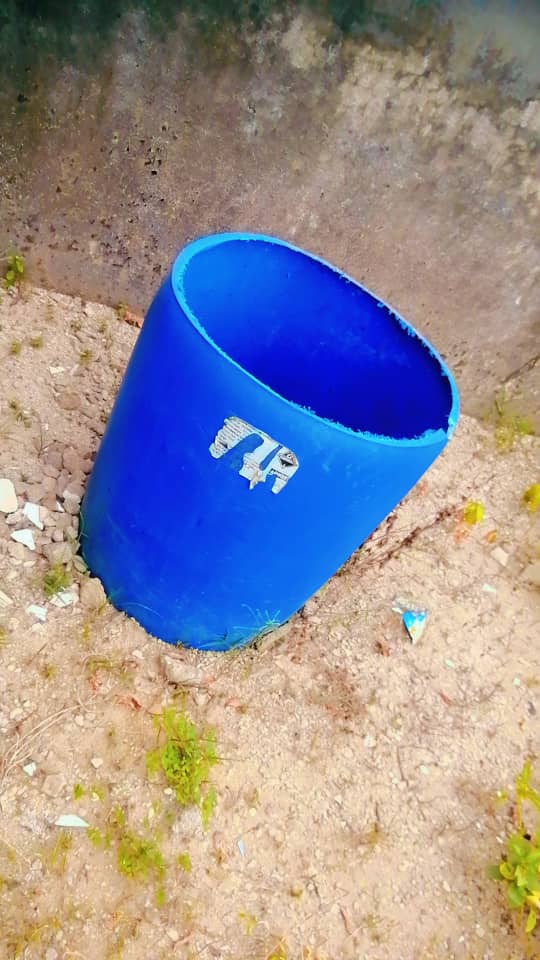
Children, young people and even adults learn by doing: identifying bins, understanding the waste cycle, observing the transformation of organic waste into compost.
It is these concrete experiences that transform habits.

📣 Share results: an invitation on Radio Veritas
We were recently invited on Radio Veritas to present the results of our actions: volumes of sorted waste, amount of compost produced, number of young people sensitized.
This invitation is a recognition of the work done, but above all an opportunity to broaden awareness.
The ecological transition is not alone. It is built by the transmission, example and repetition of good gestures.
Waste sorting begins with a simple gesture.
But its impact is immense.
In our leisure spaces and in your common spaces, let us choose to educate by action, to convey by example and to transform each visit into a responsible experience.
What action is easy for you to do?


